
Nature's multivitamin has always been on our plates
Pharmacies and health food stores are filled with bottles promising vitality: vitamin A for vision, B12 for energy, iron for blood, folate for balance. Modern wellness has segmented nutrition into capsules and powders, presenting nutrients as if they were designed to be consumed in isolation. But nature never intended isolation. For most of human history, the most complete source of these essential nutrients was not found in supplements, but in food. That food was liver.
A Food Once Revereed
Across cultures, liver was treated as a food worthy of respect. It was often reserved for the elderly, pregnant women, or individuals recovering from illness. In many traditions, it was considered the most prized part of the animal, served first at ceremonies or shared as a sign of care. Among indigenous tribes of North America, hunters would eat fresh liver immediately after the hunt, believing it contained the animal's vitality. In parts of Europe, liver was given to children and pregnant women as a form of strengthening food.
Its strong flavor reflected its potency, a taste that signaled density and vitality rather than uniformity. Eating liver was not merely consuming calories, but acquiring what the body needed most: concentrated nutrients in their most natural and bioavailable form.
A Spectrum Lost to Modern Diets
Beef liver is one of the most nutrient-dense foods ever measured. It delivers vitamin A in concentrations exceeding most other natural sources, crucial for vision, skin, and cellular renewal. It contains exceptional amounts of vitamin B12, essential for energy metabolism and neurological function. Its iron is highly bioavailable compared to plant sources, supporting oxygen transport and preventing anemia. Folate, copper, and other trace minerals are present in high concentrations, creating a spectrum of micronutrients rarely found in a single food.
Scientific evidence supports this profile. A study published in Nutrients reported that dried and defatted beef liver is an effective and bioavailable source of iron, with the potential to prevent iron deficiency anemia and improve overall dietary iron status. The study also highlighted liver's advantage over synthetic iron supplements, which are often poorly absorbed and can cause digestive discomfort. In contrast, the iron in liver is delivered alongside complementary compounds such as folate, copper, and B vitamins, which enhance utilization and support broader metabolic functions.

The problem with fragments
Supplements can be valuable, but they represent a reductionist view of nutrition. They offer one piece of the puzzle without the surrounding context. Nutrients in isolation do not always behave as they do in whole foods, where natural synergies affect absorption, utilization, and balance.
Foods like liver deliver these nutrients in forms and combinations the body recognizes. Vitamin A comes with copper, which helps regulate its use. Iron is balanced with folate and B vitamins, supporting blood function in a way single compounds cannot replicate. These natural combinations are not accidental. They are part of the evolutionary design of foods, where nutrients appear together for a reason.
Modern science has begun to reconsider this truth. Studies of whole dietary patterns consistently show that nutrients behave differently when consumed as part of complex foods compared to when consumed in isolation. This is why populations still reliant on traditional diets often experience resilience and longevity, not through supplementation, but through food patterns that value density, diversity, and depth.
Why we turned away
Despite its unparalleled nutrient profile, liver fell out of fashion in the modern diet. In the post-World War II years, affluence was measured by choice, and choice meant muscle cuts. Steak was marketed as refined, while organ meats became associated with hardship and frugality. By the end of the twentieth century, liver was stigmatized: too strong, too old-fashioned, too inconvenient for modern tastes.
This shift was cultural rather than nutritional. It reflected a desire for foods that looked uniform and bland, rather than foods with strong flavors and ancestral symbolism. In the pursuit of convenience and aesthetics, the modern diet lost not only variety but also access to foods that delivered unparalleled depth.
The Return of Nutrients
The story is changing again. As people question the endless cycle of supplements and quick fixes, they are rediscovering foods that deliver more than isolated compounds. The emergence of "nose-to-tail" eating, the focus on sustainability, and the growing interest in whole-food-inspired nutrition are bringing liver back into focus.
Its return is not just about nutrients. It represents a philosophy: that resilience and longevity are built on foundations, not fragments. Chefs are reintroducing liver into fine dining, wellness communities are embracing organ capsules as accessible products, and consumers are beginning to see liver not as a relic but as a premium, nutrient-dense choice that connects heritage with modern values.
A Modern Expression of an Ancient Truth
Liver does not need to be reinvented or dressed in anything new. Its strength lies in what it has always been: a complete food with extraordinary nutritional richness. In a world where wellness often feels like a chase for the next trend, it offers something different. It is not fashionable, but fundamental.
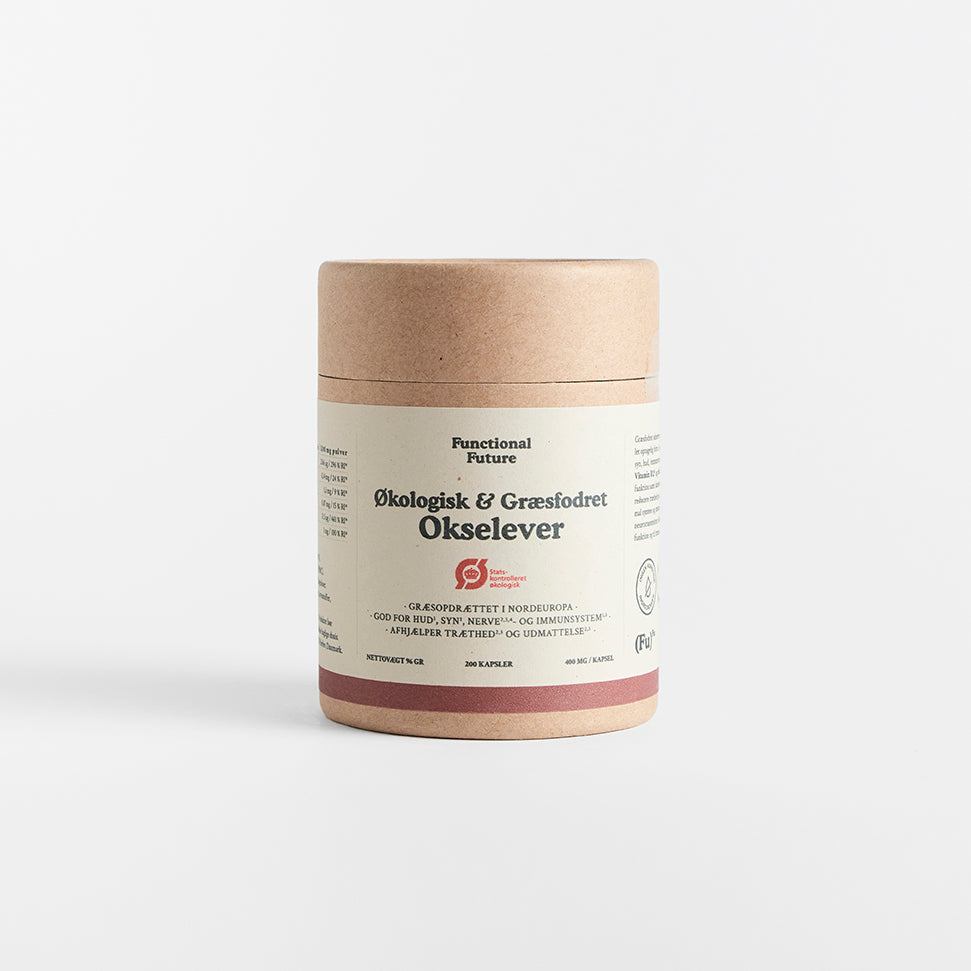
Ox liver
See the most frequent questions we receive about our beef liver
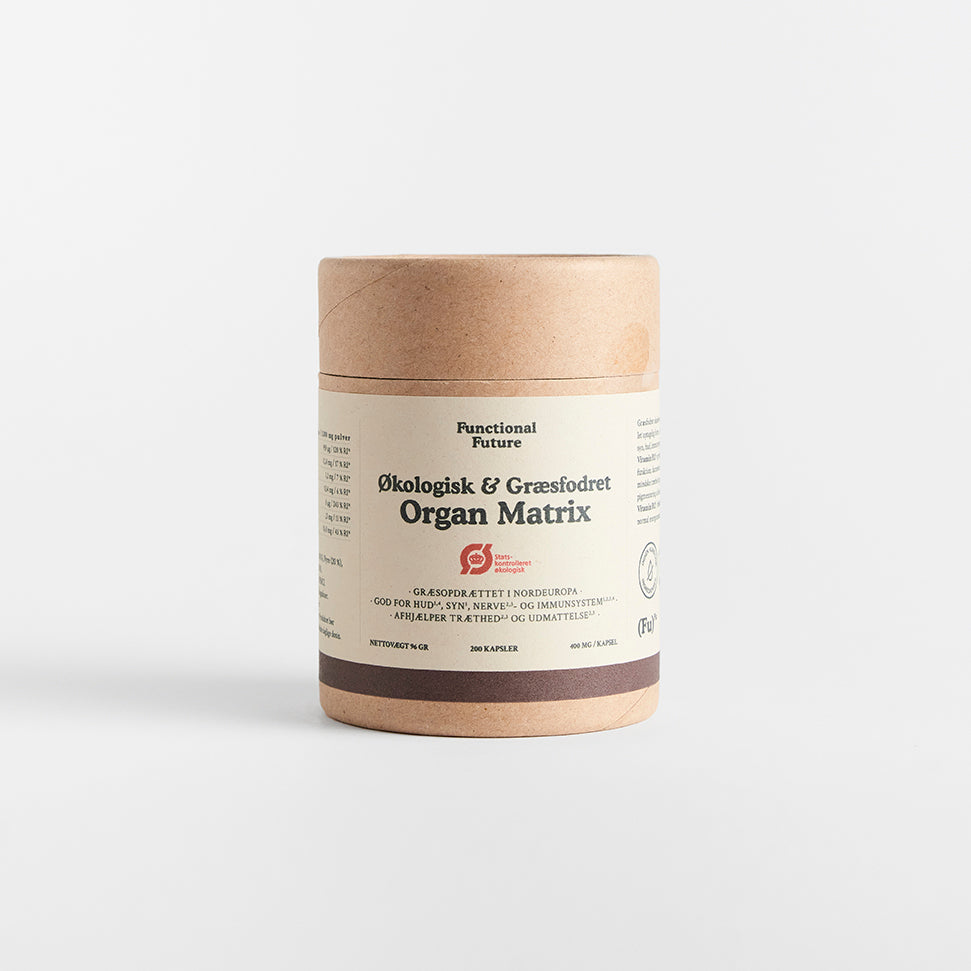
The iron content in our beef liver is not high enough for us to "claim" an iron content in our beef liver. This is not because there is no iron in it, but there is a higher iron content in our Organ Matrix, where we also specify the amount of iron per daily dose. Our Liver capsules naturally contain iron, but the amount per daily dose is below 7% of the daily Nutrient Reference Value (NRV). When the content is below 15%, according to EU regulations, we are not allowed to declare iron on the label as an active ingredient or use iron-related claims.
Our beef liver is a dry product and has a shelf life of approx. 1.5 years from the production date, and 6 months after opening.
The reason there are 200 capsules in a jar, providing 25 daily doses, is due to the size of the jars and capsules we need for our beef liver. The quantity (i.e., 8 capsules) is also because the product's nutrients are in a "food-state," meaning you need quite a few more capsules to achieve the desired effect.
Yes. They are organic, and therefore also GMO-free.
Generally, you do not need to take other products to get the most out of our beef liver capsules. We naturally state that our supplements should not replace a healthy and varied diet. We have designed our products so that each can be taken individually, and no product replaces another.

Purchase from the breakfast buffet
Tobias T.
Excellent product!
Anonymous
Spectacular! Easy to swallow the pills.
Read more in the journal
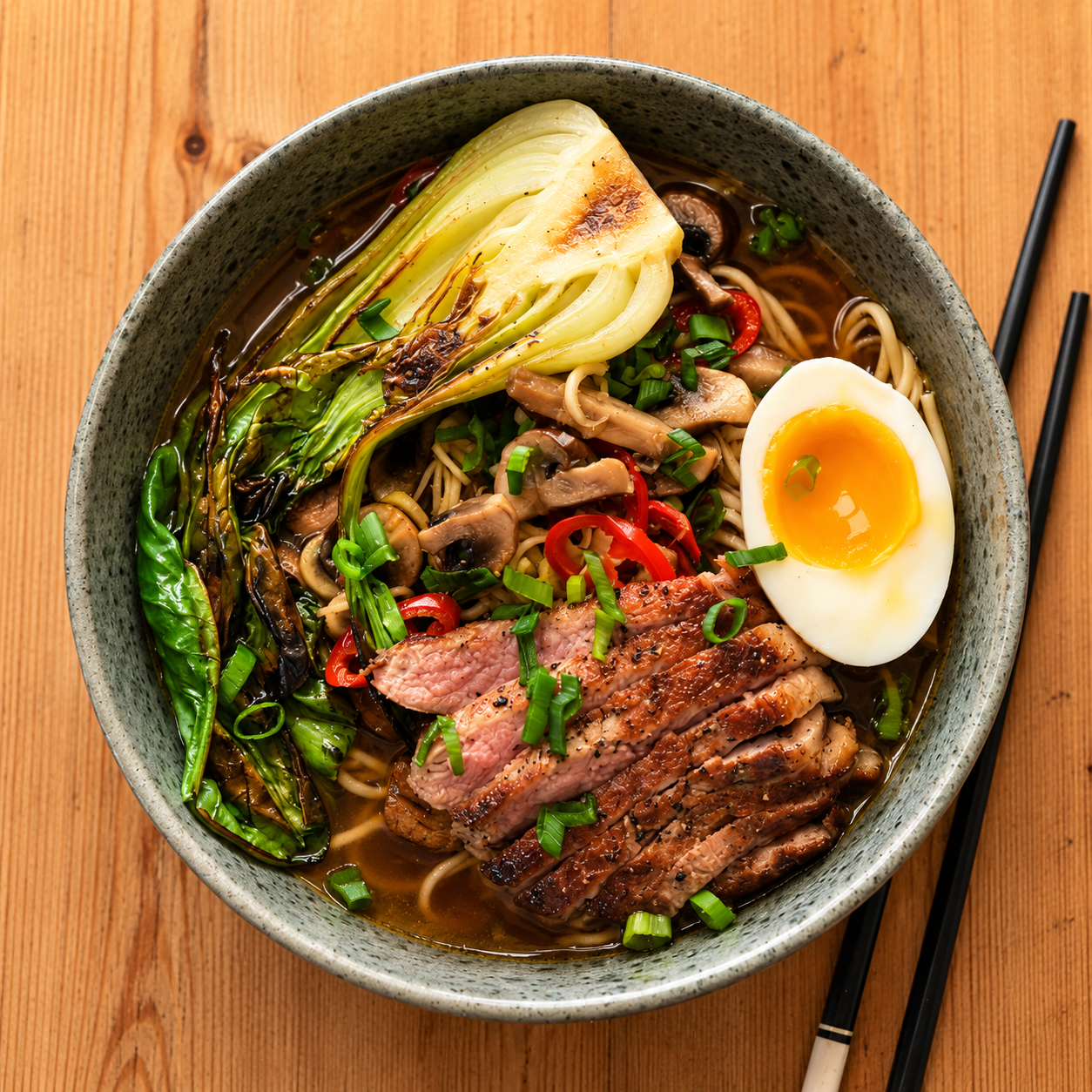
En dyb, varm ramen lavet på Bone Broth som base. Med grillet pak choi, oksekød og shiitake.
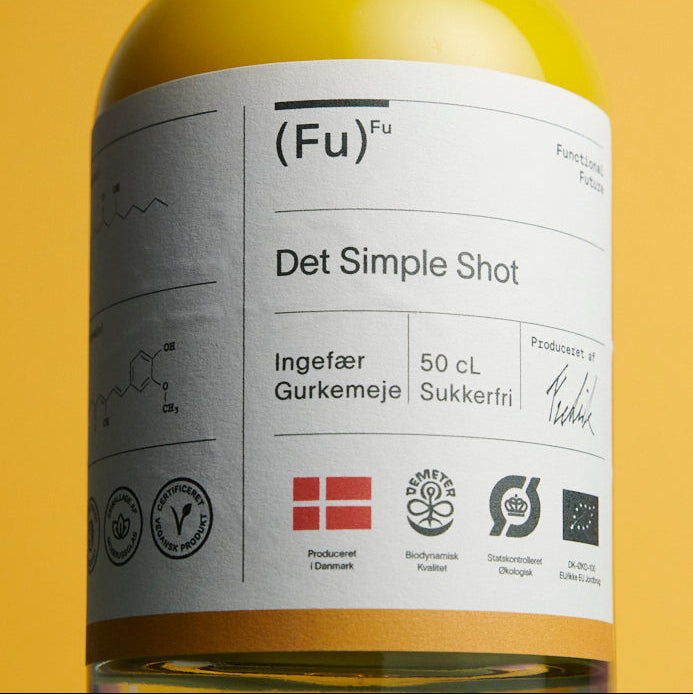
Ginger is not new. It has been used for millennia: as food, as medicine, and as an everyday ritual. What's new is that we now know more precisely what actually happens in the body when you consume ...

Lea Sørensen has always had her children with her in the kitchen. Not as a planned project, but because that's where she was. They've been on her arm, on the floor, on the kitc...